Aging You Can’t See — and Can
Alcohol accelerates aging in ways you can’t always see, and in some that you can. On the inside, alcohol shortens telomeres — protective caps at the end of your DNA that naturally shrink as you age. Shorter telomeres are a marker of biological aging. Alcohol also increases oxidative stress and chronic inflammation, both processes that make tissues wear out faster.
On the outside, alcohol leaves visible signs on your skin. Dehydration makes skin look dull, while inflammation contributes to redness, puffiness, and even conditions like rosacea. Studies also show heavy drinkers tend to show more facial aging signs earlier than non-drinkers.
Alcohol and Facial Aging
Alcohol causes loss of skin elasticity, broken capillaries, and wrinkles, especially around the eyes and mouth. Some people notice their faces become redder and puffier with regular drinking.
Which alcohol ages you the most?
- Red wine: linked to facial flushing and broken capillaries.
- Spirits: high ethanol concentration worsens dehydration and inflammation.
- Beer: can contribute to bloating and weight gain.
Alcohol vs. Sugar: Which Ages You Faster?
Both alcohol and sugar contribute to premature aging, but in different ways.
- Alcohol: speeds up skin dehydration, raises cortisol (stress hormone), and disrupts collagen repair.
- Sugar: causes glycation — binding to proteins in skin and making it stiffer and more wrinkled.
Together, alcohol and sugary mixers create a double hit for aging.
Can Quitting Alcohol Reverse Aging?
Some effects of alcohol on aging are reversible. Quitting or reducing alcohol can:
- Improve skin hydration and elasticity within weeks.
- Reduce under-eye puffiness and redness.
- Lower inflammation markers, which slow internal biological aging.
- Help restore telomere maintenance, supporting cellular health.
However, not all damage can be undone. Deep wrinkles or advanced organ damage may not fully reverse — but stopping alcohol slows further aging.
Why Alcohol Feels Worse as You Get Older
Many people notice hangovers and fatigue worsen with age. This is partly because the body’s ability to process alcohol declines with age. Lower liver enzyme activity, changes in body fat and water balance, and slower metabolism all make alcohol feel heavier, even at lower doses.
Cancer and Chronic Disease Risk Over Decades
Alcohol is a Group 1 carcinogen according to the International Agency for Research on Cancer. Long-term use increases the risk of cancers including liver, breast, oral, and colorectal. Even a single drink a day has been linked to higher breast cancer risk.
FAQs About Alcohol and Aging
Can quitting alcohol reverse aging?
Some changes — like skin hydration, puffiness, and sleep quality — improve quickly when you stop drinking. Cellular aging markers (like telomeres) may stabilise, but not all aging effects are reversible.
Does your face change when you stop drinking?
Yes. Within weeks, many notice clearer skin, reduced redness, less puffiness, and a fresher complexion.
Do you age better without alcohol?
Absolutely. Without alcohol, you avoid dehydration, inflammation, and oxidative stress that accelerate aging.
How does alcohol affect aging long term?
It accelerates cellular aging (via telomere shortening), raises inflammation, and increases risk of cancer, dementia, and cardiovascular disease.
Is three drinks a day too much as you get older?
Yes. Regularly drinking 3 drinks daily is linked to increased risk of early aging, liver damage, and chronic disease.
Which alcohol ages you most?
Spirits and red wine are often cited as the worst for skin aging, but any alcohol contributes to faster visible and internal aging if consumed regularly.
Swap the Input, Keep the Outcome
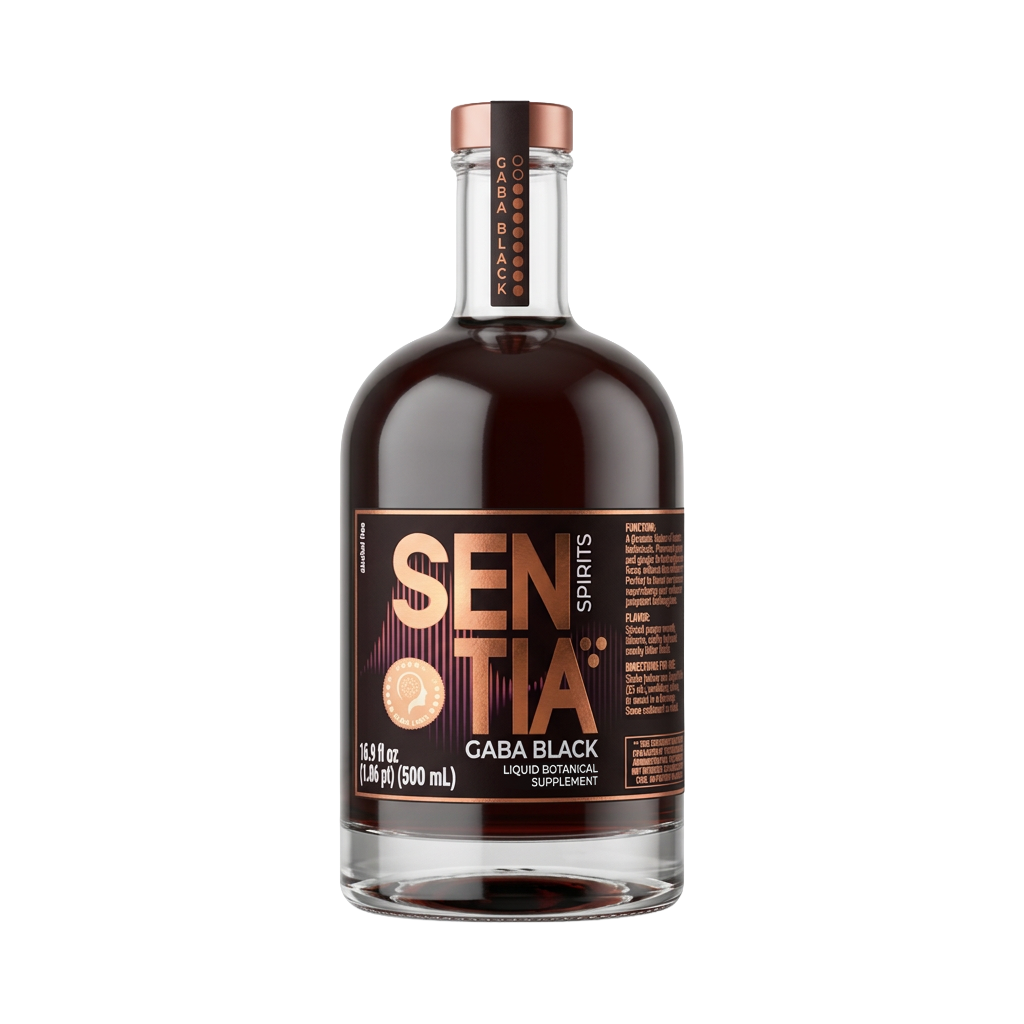
The aim of drinking is often connection, relaxation, and fun — but you don’t need ethanol to get there. SENTIA supports social GABA pathways to create calm and connection, without fast-forwarding the aging process. Try a SENTIA spritz at your next gathering.
Shop Now Explore Non-Alcoholic Cocktails
References
- Nutt, D. Drink? The New Science of Alcohol and Your Health