How Alcohol Affects Brain Health
In the first instance, Alcohol effects brain health by interfering with brain chemistry. Specifically, it boosts the action of a calming chemical called GABA (gamma-aminobutyric acid) and dampens glutamate, which normally keeps you alert. This double effect explains the familiar “ahhh” sensation when you have a drink: relaxation, lowered inhibitions, and a feeling of sociability.
But alcohol doesn’t stop there. As drinking continues and blood alcohol levels rise, it disrupts other key neurotransmitters:
- Dopamine: alcohol increases dopamine release in the brain’s reward centre, producing feelings of pleasure and reinforcement. Over time, this contributes to craving and dependence.
- Serotonin: levels initially rise (boosting mood), but heavy or chronic drinking depletes serotonin, often leading to anxiety, irritability, and low mood the next day.
- Endorphins: alcohol can trigger the release of endorphins (the body’s natural painkillers), which dull stress temporarily but disrupt the brain’s natural balance when overstimulated.
This domino effect on neurotransmitters explains why alcohol can make you feel relaxed and euphoric at first — but with repeated or heavy use, it destabilases mood, motivation, and overall brain health.
Does Alcohol Shrink the Brain?
Large, long-term studies have tracked what alcohol does to our brains as we age.
- The Whitehall II Imaging Study followed over 500 people for 30 years. Even moderate drinkers (7–10 drinks a week) showed more shrinkage in the hippocampus—the brain’s memory center—compared with light drinkers.
- The UK Biobank study (which looked at data from tens of thousands of participants) confirmed there is no safe level of alcohol for brain health. Even light drinkers had less grey matter than non-drinkers.
In plain language: alcohol makes your brain look older, faster.
Alcohol and Dementia Risk
At the extreme end, alcohol is a leading preventable cause of dementia. Studies estimate that at least 1 in 5 dementia cases may be linked to alcohol use. Heavy drinking not only damages brain tissue directly but also raises risks like stroke, diabetes, and high blood pressure — all of which increase dementia risk later in life.
Alcohol, Memory, and Focus
Short-term effects:
- Trouble forming new memories (“blackouts” after heavy drinking).
- Difficulty focusing or recalling details.
- Reduced REM sleep, which impairs memory consolidation.
Long-term effects:
- Chronic memory loss and confusion.
- Conditions such as Korsakoff’s syndrome, caused by alcohol-related vitamin B1 deficiency, which damages memory systems.
Why Does Alcohol Affect the Brain Health in this Way?
- Direct toxicity: alcohol is poisonous to nerve cells.
- Nutrient disruption: it interferes with absorption of vitamins (especially B1).
- Sleep disruption: reduces restorative REM sleep.
- Injury risk: intoxication increases falls and head injuries.
Can the Brain Recover After Quitting Alcohol?
The brain has some ability to heal:
- Within weeks, focus and concentration often improve as sleep stabilises.
- Within months, studies show increased grey matter in areas affected by alcohol.
- Cognitive decline may slow — though severe damage (e.g., dementia or Korsakoff’s syndrome) is not reversible.
FAQs About Alcohol and Brain Health
Is there a safe amount of alcohol for brain health?
Current evidence suggests no safe level. Even light drinking is linked with reduced brain volume.
Does quitting alcohol improve focus and memory?
Yes. Many people notice clearer thinking, better recall, and more consistent focus within weeks of stopping alcohol.
Can alcohol cause dementia?
Yes. Alcohol-related brain damage and heavy drinking are established risk factors for dementia, particularly in midlife.
Does alcohol age the brain?
Yes. Long-term alcohol use accelerates brain ageing, shrinking grey matter and impairing cognitive function earlier.
How does alcohol affect learning and concentration?
It slows reaction times, reduces attention span, and disrupts memory consolidation, especially after repeated or heavy use.
A Better Way to Unwind
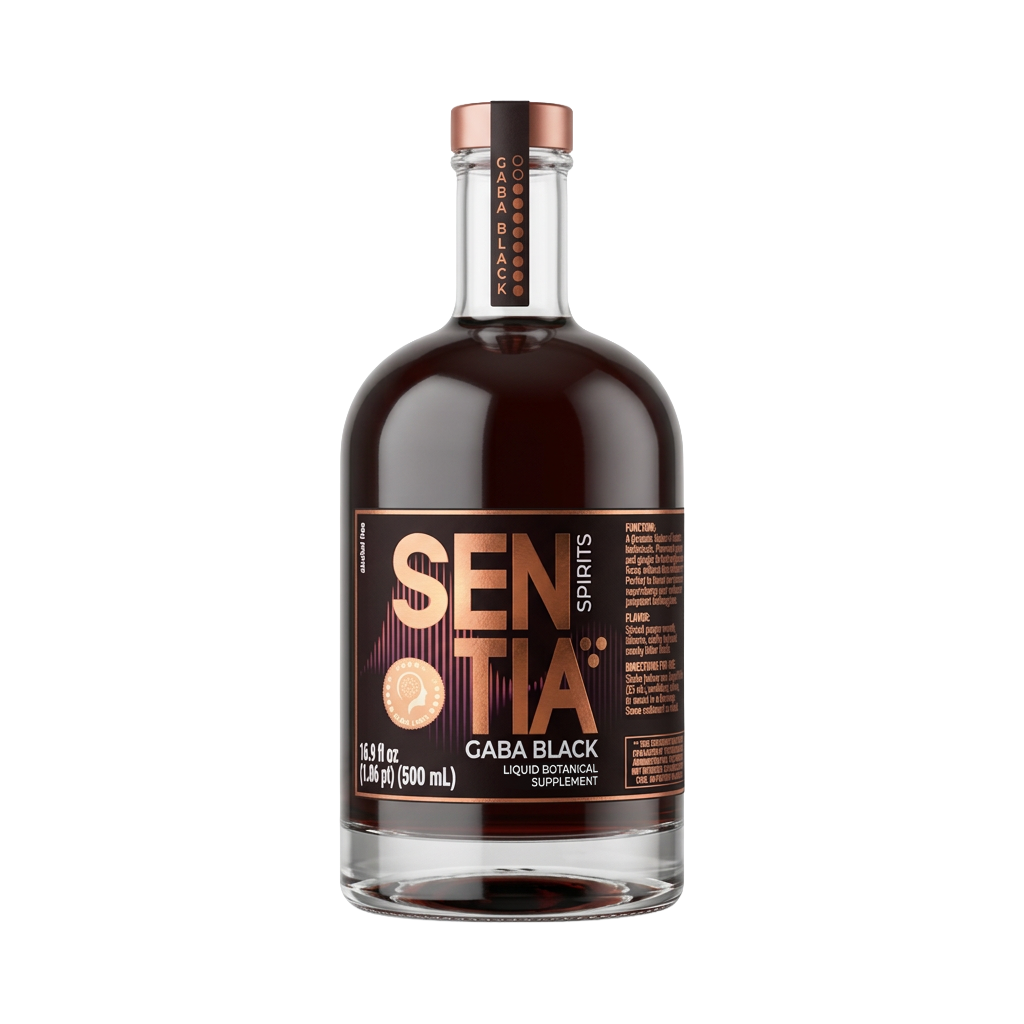
The urge to drink isn’t irrational — the brain craves calm and connection at the end of the day. But ethanol isn’t the only way to get there. SENTIA is designed to support the GABA system more gently, helping you relax and connect socially without the collateral damage to memory, sleep, or brain ageing.
Try making it part of your evening ritual: swap the post-work wine for a GABA Red & tonic and keep your clarity while still enjoying the wind-down.
References
- Nutt, D. Drink? The New Science of Alcohol and Your Health