Why the Menopause Happens
The menopause is a natural part of ageing, marking the point when a woman’s ovaries stop releasing eggs and menstrual periods end. Officially, menopause is diagnosed after 12 months without a period, which usually happens around age 50. The years leading up to it are called perimenopause (or menopausal transition), and they can last for several years.
What makes this phase challenging is not just the end of fertility, but the rollercoaster of hormone levels leading up to it. Oestrogen and progesterone no longer follow their usual monthly rhythm. Instead, they rise and fall unpredictably before eventually dropping to low, steady levels. This hormonal turbulence is why symptoms like hot flushes, poor sleep, and mood swings are so common.
Alcohol’s Effect on Hormones During Menopause
Alcohol has a direct effect on oestrogen levels. Even small amounts can raise circulating oestrogen in the short term, but long-term drinking is linked with greater fluctuations and higher breast cancer risk. Many women report that wine and spirits make hot flushes, night sweats, and mood swings worse. Alcohol also interferes with progesterone (a hormone that helps regulate the menstrual cycle) and GABA signalling, which may explain why it worsens anxiety, irritability, and insomnia during menopause.
The Role of GABA – The Brain’s Calming Messenger
To understand why menopause affects mood, sleep, and wellbeing, we need to look at GABA (gamma-aminobutyric acid). GABA is the brain’s main “brake pedal,” calming overactive brain circuits and helping us feel relaxed and steady.
During the reproductive years, progesterone supports GABA signalling. But when progesterone production drops during menopause, this calming link weakens — leaving women more vulnerable to anxiety, irritability, depression, and disrupted sleep.
Alcohol and HRT — Should You Mix Them?
Many women ask: Does drinking alcohol affect HRT? While moderate alcohol is not always contraindicated, research suggests that alcohol can interfere with the benefits of hormone replacement therapy. For example, alcohol may worsen hot flushes and increase the risk of blood clots or breast cancer when combined with HRT. If you are using HRT, it’s worth reviewing your drinking habits with a healthcare professional.
Natural Remedies and Lifestyle Approaches
Not every woman can, or wants to, take HRT. Many explore complementary options:
- Magnesium — helps with muscle relaxation, sleep, and may reduce anxiety.
- Phytoestrogens (found in soy, chickpeas, flax) — natural oestrogen replacements that can ease hot flushes.
- Herbs and botanicals — such as sage, black cohosh, and red clover, often used for menopause fatigue and hot flushes.
- Gut health — probiotics and a balanced microbiome may support mood and hormone balance.
Public figures like Davina McCall have helped bring menopause conversations into the mainstream, highlighting the importance of combining medical and natural remedies to manage symptoms.
Foods and Drinks That Worsen Menopause Symptoms
Some lifestyle choices can intensify symptoms. These include:
- Alcohol (especially wine and spirits)
- Caffeine (can worsen hot flushes and night sweats)
- Spicy foods (linked with hot flush triggers)
- Ultra-processed foods high in sugar and trans fats (linked to weight gain and “menopause belly”)
A Healthier Alternative to Alcohol
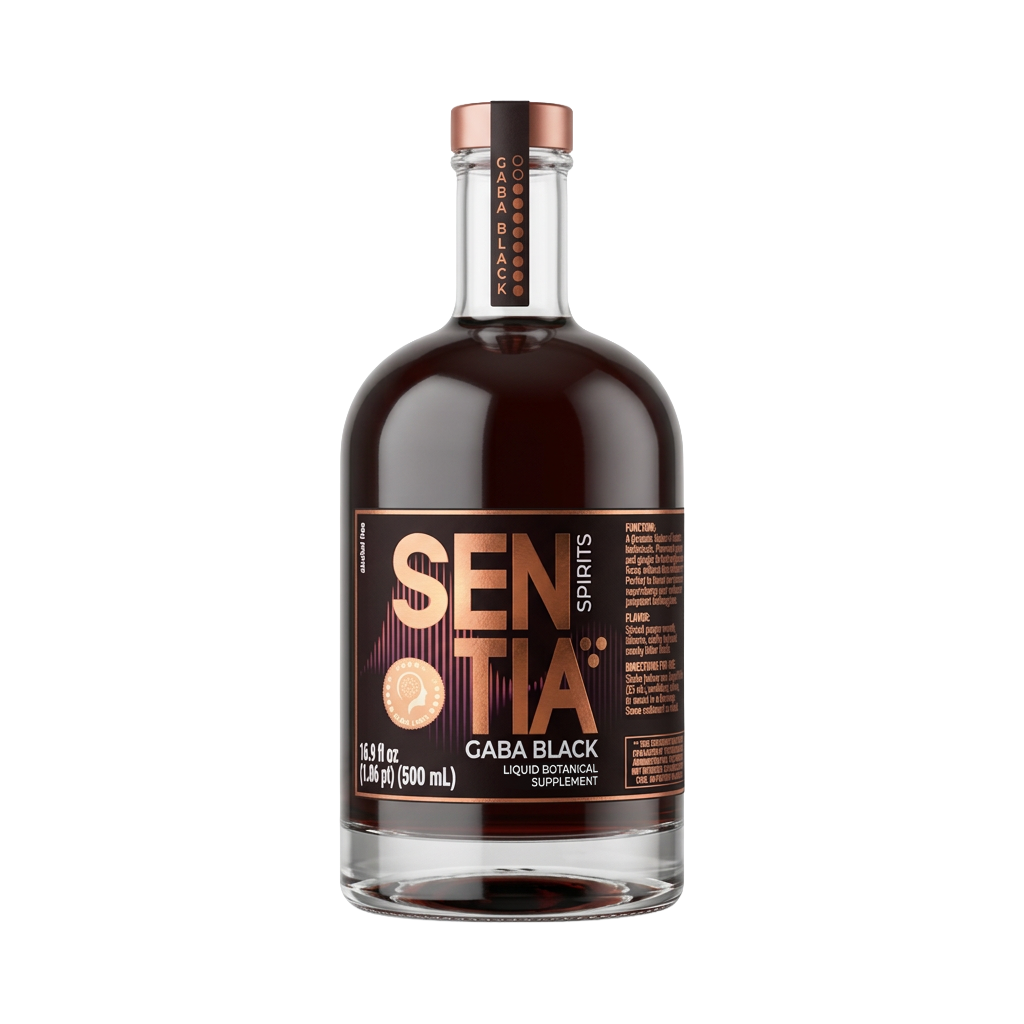
For women in midlife, cutting back on alcohol can make a noticeable difference — reducing hot flushes, improving sleep, and lowering cancer risk. Yet many still want the flavour, ritual, and social connection of a drink. SENTIA offers a sophisticated, alcohol-free option designed to support GABA pathways naturally. With antioxidant-rich botanicals like schisandra, hops, linden flower, holy basil, sage, and ginseng, SENTIA helps promote calm without the hormonal disruption of alcohol.
Menopause: Common Questions
What is the oldest age for menopause?
Most women reach menopause between 45–55, but it can occur as late as 60.
What is early menopause?
Early menopause (before age 45) and premature menopause (before age 40) can happen naturally or due to medical reasons such as surgery, chemotherapy, or autoimmune conditions. Symptoms are similar — hot flushes, mood swings, irregular periods — but starting earlier raises additional health concerns, including increased risks of osteoporosis and cardiovascular disease.
What are the signs of menopause ending?
Symptoms like hot flushes and irregular periods gradually fade. Consistently having no periods for 12 months is the clinical sign menopause has ended.
Can periods restart after menopause?
No. If you bleed again after menopause, it should be checked by a doctor as it may signal another health issue.
Can you get pregnant during menopause?
Pregnancy is still possible during perimenopause until periods stop completely. After menopause, natural conception is no longer possible.
Your Questions about Alcohol and Menopause Answered
How does alcohol affect you during menopause?
Alcohol can worsen hot flushes, night sweats, anxiety, and sleep problems. It also raises the risk of osteoporosis and breast cancer during this stage of life.
Does drinking alcohol affect HRT?
Yes. Alcohol may reduce HRT’s benefits and increase risks like blood clots and breast cancer.
Should you drink alcohol during menopause?
Limiting alcohol is recommended. Occasional light drinking may be fine, but avoiding alcohol often leads to better symptom control.
What are the worst drinks for menopause?
Wine and spirits are most often reported to worsen symptoms like flushing, sweating, and insomnia.
Better Evenings, Better Mornings
You don’t need to ditch the glass at sundown. Swap the wine for a SENTIA spritz. It looks the part, tastes sophisticated, and helps you relax without triggering hot flushes or night sweats.
Explore SENTIA
References
- Nutt, D. Drink? The New Science of Alcohol and Your Health