We all want to bounce back better—whether it's after a heavy workout, a long week, or just a big night out. And in that search, one molecule keeps popping up:GABA.
Some people believe that taking GABA can boost levels of human growth hormone (HGH), a key player in muscle repair and recovery. But is this claim backed by real science? And what does it mean for anyone using functional drinks like SENTIA to support recovery?
What is GABA, and Why Does it Matter?
GABA (gamma-aminobutyric acid) is a calming chemical made naturally in the brain. It helps quiet the nervous system, promotes feelings of relaxation, and plays a key role in switching the body into “rest and repair” mode. That’s why it’s such an important target when it comes to sleep, recovery, and overall wellbeing.
So, Does GABA Boost Growth Hormone?
Short answer: it may do, sometimes—but it’s complicated.
A handful of studies have suggested that GABA supplements might lead to a short-term spike in HGH (also called growth hormone), especially when combined with exercise. One widely cited study found that people who took 3g of GABA before a workout saw slightly higher growth hormone levels than those who didn’t. [1]
However, there are a few reasons to be cautious:
- GABA doesn’t easily cross the blood-brain barrier, a protective filter that stops many substances from entering the brain.
- The effect may be short-lived, lasting only an hour or two.
- There’s no evidence that these temporary spikes in HGH actually translate into better muscle gain or faster recovery.
In short, while there’s a hint of a connection, there’s not enough high-quality evidence to say GABA supplements boost HGH in a meaningful way.
Recovery Isn’t Just About Hormones
Even though GABA supplements may not reliably increase HGH, that doesn’t mean GABA doesn’t help recovery. In fact, your body’s natural GABA system plays a crucial role in the recovery process—especially when it comes to rest, repair, and good sleep.
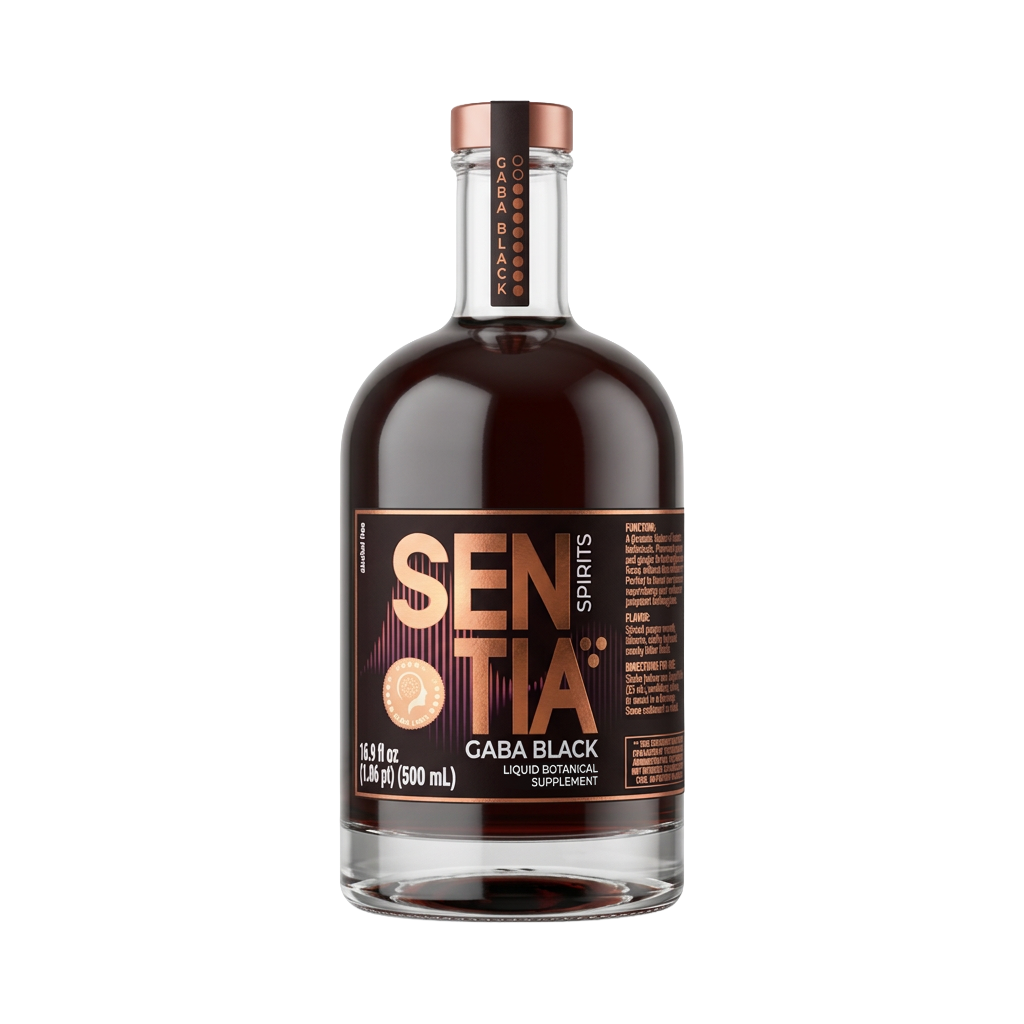
That’s why GABA Red, GABA Black, and GABA Gold are all designed to support your natural GABA activity, using carefully selected botanicals with research-backed benefits.
GABA Red: Built for Rest and Repair
GABA Red is made for recovery. It contains:
- Ashwagandha, which has been shown to support muscle strength and reduce exercise-induced damage. [2]
- Magnolia Bark and Passionflower, two calming botanicals that act on the GABA system to help deepen sleep and ease you into proper rest.
Better sleep means better recovery, and that’s where GABA Red shines.
GABA Black: For Focus and Fatigue Resistance
While GABA Red helps you wind down, GABA Black is your daytime companion—ideal before a workout or during a demanding day. It includes:
- Ginseng, which can reduce fatigue and support mental and physical performance.
- Ginkgo, which can improve cognitive clarity.
Together, these help you stay energised and focused—without tipping into stress or overstimulation.
Why Alcohol Gets in the Way
Alcohol and fitness often show up at the same parties—but they don’t play nicely together. Alcohol has been shown to:
- Disrupt growth hormone and testosterone production.
- Impair sleep quality, especially deep, restorative stages.
- Slow muscle recovery and increase soreness after training.
- Add empty calories that can counteract your goals.
Swapping alcohol for a functional drink like SENTIA means you’re giving your body a better chance to repair, adapt, and perform.
A Smart Recovery Strategy, Backed by Science
If your aim is better recovery—not just from workouts, but from life—then supporting your natural GABA system is a good place to start. While GABA supplements might not offer a magic boost in growth hormone, botanicals that enhance your own GABA function can improve sleep, support stress resilience, and create the conditions your body needs to repair.
SENTIA is designed with that in mind.
References:
1. Powers et al. (2008) Growth hormone responses to GABA ingestion and resistance exercise. Medicine & Science in Sports & Exercise.
2. Bonilla, D. A et al. (2021) Effects of Ashwagandha (Withania somnifera) on Physical Performance: Systematic Review and Bayesian MetaAnalysis. Journal of Functional Morphology and Kinesiology