Bars are often discussed as if they were simply places that sell alcohol.
That misses most of their value.
A bar, neighbourhood venue, music club or local taproom is one of the few places where people can meet without a formal invitation, spend time together without a fixed agenda, and encounter people they may not otherwise see. It sits between home and work, private life and public life.
As more of our shopping, entertainment, work and communication move online, these places become more valuable, not less. Digital contact can help us remain in touch, but it does not fully reproduce the experience of being in a room with other people. Sociability needs somewhere to happen.
New research from Oxford Economics, commissioned by AB InBev, estimates that bars in the United States support $60.5 billion in gross value added, 650,000 jobs across direct operations and the wider economy, and $13 billion in federal, state and local taxes [1]. It also estimates that 66.6 million Americans visit a bar at least once a month [1].
Those figures are modelled estimates, and the commercial source of the research should be kept in mind. But the social findings are at least as interesting as the economic ones.
Among American bar patrons surveyed, 74% agreed that bars create a shared atmosphere that brings people closer together [1]. Fifty-nine percent said they typically visited with friends, while 48% said they went with a spouse or partner [1].
A substantial minority also felt that other venues did not offer the same thing. Thirty-seven percent said alternatives provided fewer opportunities for spontaneous interaction, while 26% said socializing elsewhere was less convenient [1].
That helps explain why bars endure.
They are not just drink outlets. They are social infrastructure.
The music venue where people discover a band together, the neighborhood bar where familiar faces gather, the place showing a game that gives strangers something to talk about: these settings create conditions for connection that are difficult to reproduce at home.
Alcohol has historically been central to this because it performs a real function. It reduces inhibition, lowers tension and can make conversation easier. One of its earliest effects is through GABA, the brain’s main inhibitory system, which helps regulate anxiety, relaxation and social ease.
This is why alcohol has remained so resilient across cultures. It does something people value.
The difficulty is that it achieves that effect imprecisely. Alcohol does not stop when someone feels pleasantly relaxed or more open. It continues to affect judgment, coordination, memory, mood, sleep and long-term health. The social effect may be narrow; the biological footprint is much wider.
That creates a challenge for the future of social drinking.
More Americans are moderating, alternating, or avoiding alcohol on particular occasions. But removing alcohol is only part of the answer. Many people still want a drink to provide ritual, flavor, relaxation, or a sense of occasion. Water may hydrate. A soda may taste good. Neither necessarily serves the same social purpose.
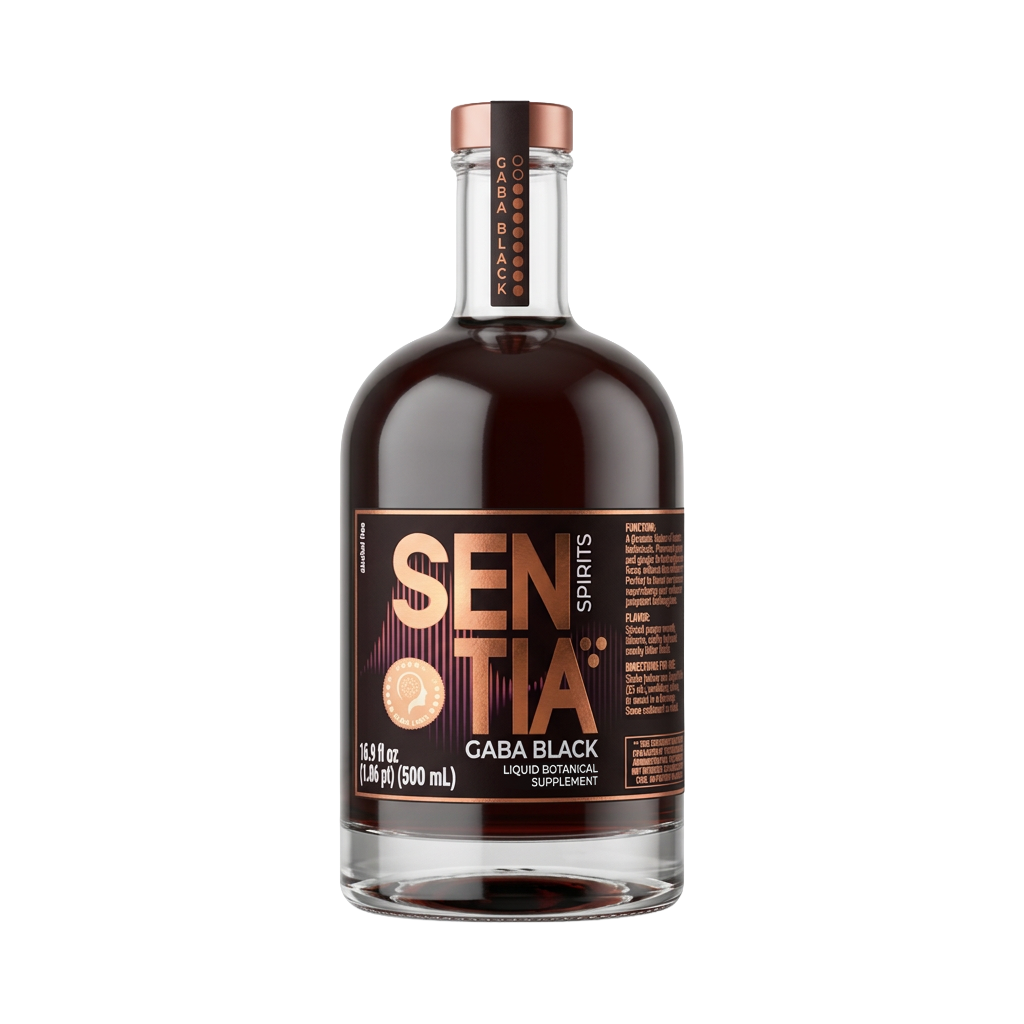
This is where functional social drinks become interesting.
The scientific opportunity is to understand what people seek from alcohol and develop more precise ways of supporting those states, without carrying forward so many of its unwanted effects.
The future of bars and social venues should not depend on everyone drinking in the same way. It should include more credible choices for people who want to stay clear-headed, moderate their intake, protect their sleep or simply participate differently.
The healthier future of social drinking will not come from stripping away the room, the ritual or the pleasure of gathering.
It will come from protecting the places that bring people together and expanding the ways people can take part in them.
—Professor David Nutt
References
[1] Oxford Economics. The Impact of Bars on Local Economies, Community & Connection. Research commissioned by AB InBev, with accompanying technical appendix, June 2026.