The World Cup is underway, and for many people that means soccer as it is meant to be experienced — with other people. In a bar, at home with friends, in a fan zone, or lucky enough to be at a game. I have always thought there is something important about sport watched together. It gives people permission to feel things loudly in public, which is not always a bad thing.
Of course, it also gives people permission to drink. In Kansas City, officials have been preparing for extraordinary visitor numbers, summer heat, and extended alcohol sales during the tournament, with some bars allowed to serve until 5am under temporary arrangements [1]. That is a striking example of how closely major sport, alcohol, policing and public health are linked.
The reason people drink during big matches is not difficult to understand. High-stakes sport is stressful. Anyone who has watched a penalty shoot-out, or a match going into extra time, knows this without needing a laboratory. Heart rate rises, adrenaline rises, attention narrows, and the body behaves as though something important is happening because, psychologically, it is.
This is also quite well studied. A German study during the 2006 World Cup found that national team matches, especially the tense ones, were associated with increased cardiovascular strain [2]. UK researchers saw a similar pattern around England’s penalty shoot-out loss in the 1998 World Cup [3]. I do not mention this to frighten anyone. The point is simply that watching sport is not passive. The body participates.
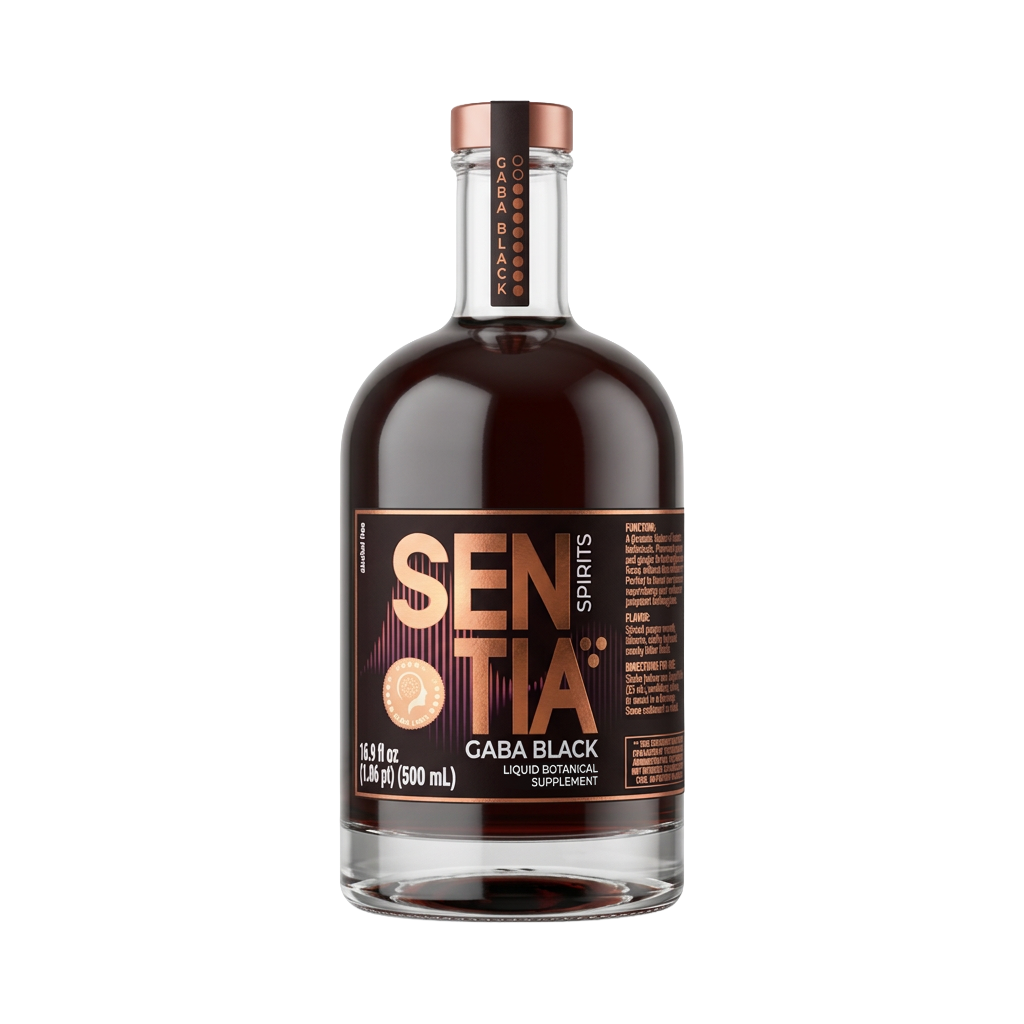
Alcohol is often used to take the edge off that state. It can do this initially by enhancing GABA, the brain’s main calming system. That is one of the reasons alcohol has had such a central place in human social life. It reduces inhibition and tension and helps people feel more at ease with each other.
But alcohol is not a precise tool. It also affects judgment, coordination, emotion and sleep. In the context of soccer, where people are already excited, anxious, elated or furious, it can sometimes amplify the very things it was meant to soften.
This World Cup also comes with a challenge that players, organisers and fans have been discussing for months: heat. Matches across the United States, Mexico and parts of Canada are expected to take place in very warm conditions, with some host cities experiencing temperatures that can become uncomfortable or even dangerous during the day. For supporters attending games, fan zones or outdoor watch parties, hydration is not just a comfort issue but a health issue.
This is where alcohol can become particularly problematic. Alcohol can increase fluid loss, impair judgment, and make it easier to miss the body's signals to hydrate, cool down, or get out of the sun [4]. One of the most common mistakes people make at sporting events is drinking alcohol when what they are actually experiencing is thirst. If you are hot, sweating and spending hours outdoors, alcohol is not an effective way to rehydrate. Water, electrolyte drinks, soft drinks or alcohol-free alternatives are much better choices when your body needs fluids.
This does not mean people should not enjoy a drink during the World Cup. I am not a prohibitionist. Shared rituals matter, and soccer is one of the great global rituals. But the sensible question is not “drink or don’t drink?” It is: what effect do I want, and how do I avoid overshooting it?
My World Cup advice
- Don’t drink alcohol to quench thirst. If you are hot or sweating, have water, an electrolyte drink, a soft drink, or an alcohol-free option first.
- Remember that many games across the US, Mexico and Canada will be played in significant heat. Start hydrating before you arrive rather than waiting until you feel thirsty.
- Eat before the match, ideally something with protein, fat and slow-release carbohydrate.
- Alternate drinks. One alcoholic drink, then one non-alcoholic drink, is a simple rule that works.
- Don’t pregame before going out. It is much too easy to arrive already past the point you intended.
- Avoid energy drinks as mixers. Caffeine can make people drink more and faster.
- If you are in the heat, seek shade, use sunscreen, and keep water with you whenever possible.
- If the match is making you tense, treat the tension first: breathe, walk, talk to someone, or step away for a few minutes.
Enjoy the soccer. Enjoy the company. Just try not to let the drink become the main event.
—Professor David Nutt
References
[1] KCUR, “Kansas City will let bars stay open until 5 a.m. for the World Cup,” 2026.
[2] Wilbert-Lampen U. et al., “Cardiovascular Events during World Cup Soccer,” New England Journal of Medicine, 2008
[3] Carroll D. et al., “Admissions to hospital for myocardial infarction and World Cup football: database survey,” BMJ, 2002.
[4] The Independent, “Fans warned of hidden dangers of drinking alcohol in extreme summer heat,” 2026.
[5] Ettinger P.O. et al., “Arrhythmias and the ‘Holiday Heart’: alcohol-associated cardiac rhythm disorders,” American Journal of Cardiology, 1978.
[6] Voskoboinik A. et al., “Acute alcohol consumption and arrhythmias in healthy adults,” European Heart Journal, 2024.
[7] Amit S.R. et al., “Alcohol’s effects on aggressive behaviour in a double-blind, placebo-controlled study of cumulative alcohol administration,” Physiology & Behavior, 2024.